
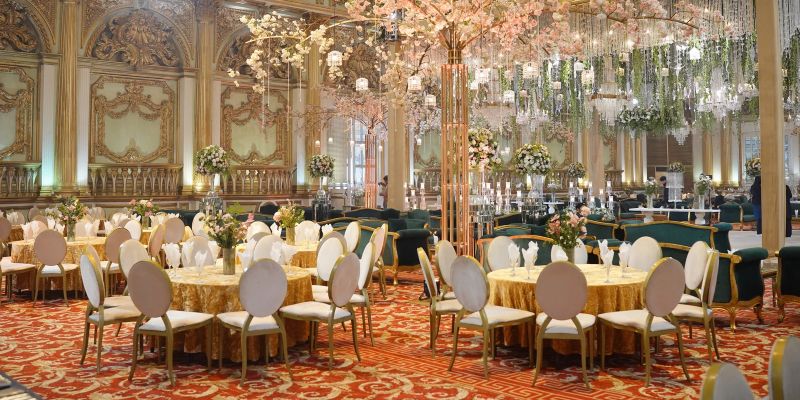
One Brand, Many Occasions: Creating a Signature Look Across Multiple Corporate Events
For businesses that host multiple corporate events throughout the year, maintaining a consistent brand identity is just as important as creating an impressive individual occasion. From executive gatherings and networking receptions to corporate galas, product launches, and annual celebrations, every event represents an opportunity to communicate the company's personality, values, and professional standards.
However, creating consistency across multiple occasions does not mean repeating the same decorations, layouts, or event themes. Each gathering should have its own character while maintaining a recognizable connection to the organization behind it.
This requires a thoughtful balance of creative direction, strategic planning, visual coordination, and attention to detail. Professional corporate event design services help businesses establish a recognizable aesthetic while adapting each occasion to its audience, purpose, and venue.
At Laviv Event Design, we believe every event should feel distinctive while reflecting the client's vision. Our approach to luxury and bespoke event design combines creativity, sophisticated styling, personalized details, and a commitment to creating memorable environments.
1. Establish a Clear Visual Identity Before Planning Individual Events
The foundation of consistency begins long before the first venue is selected or decorative element is purchased.
Businesses should establish a recognizable visual identity that can guide the creative direction of every event. This identity should communicate the organization's personality while providing enough flexibility to accommodate different event formats.
For example, a company known for innovation may prefer modern architectural details, contemporary furniture, and clean visual elements. A luxury organization might favor refined materials, elegant lighting, sophisticated floral arrangements, and carefully curated decorative features.
The objective is to establish a recognizable design language that can be adapted to different occasions.
Create an Event Design Framework
An event design framework helps everyone involved understand the visual standards and creative direction.
Consider documenting the following:
Primary and secondary brand colors
Preferred typography and signage styles
Logo placement and branding requirements
Furniture and decorative preferences
Lighting styles and atmosphere
Material and texture selections
Photography and presentation guidelines
Overall event personality
Having these elements documented reduces confusion and makes it easier to maintain a cohesive appearance across different projects.
According to Cvent's event branding guidance, consistent use of colors, fonts, imagery, and messaging across digital and physical event touchpoints helps strengthen event recognition.
When these standards are established early, every new occasion has a clear creative foundation.
2. Maintain Brand Recognition Without Repeating the Same Event Concept
One of the biggest challenges in managing multiple corporate occasions is finding the balance between familiarity and originality.
Guests should recognize the organization behind each event, but they should not feel as though they are attending the same celebration repeatedly.
A successful design strategy maintains recognizable brand elements while introducing fresh creative concepts.
Keep the Foundation Consistent
Certain elements can remain recognizable across different occasions.
For example:
A consistent color palette
Signature decorative details
Recognizable branding placements
Similar standards of presentation
A consistent approach to guest hospitality
High-quality furniture and material selections
These details help create familiarity without restricting creativity.
Adapt the Creative Direction
Different occasions require different atmospheres.
An executive dinner may benefit from intimate lighting, elegant tablescapes, and refined floral arrangements. A corporate awards gala might require a dramatic entrance, statement stage design, and sophisticated reception areas.
A product launch could take a completely different direction, incorporating modern installations and visually engaging product displays.
Each event should communicate the same brand personality through a design concept appropriate to its purpose.
This is where professional bespoke event design becomes valuable. Instead of relying on standard packages, every concept can be developed around the specific occasion while retaining the organization's recognizable identity.
3. Develop a Consistent Standard for Luxury Event Design
Luxury is not defined by how many decorative elements are included in an event. It is reflected in the quality, coordination, and intention behind every design decision.
When a business hosts multiple high-profile gatherings, guests often expect the same level of sophistication regardless of the occasion.
Maintaining this standard requires careful attention to the details that influence the overall atmosphere.
Prioritize Quality Over Quantity
Rather than adding more decorations, focus on selecting elements that create a meaningful visual impact.
Consider:
Premium table linens and elegant table settings
Carefully selected furniture
Sophisticated floral arrangements
High-quality decorative materials
Thoughtfully designed entrance installations
Coordinated lighting and stage elements
Refined signage and branded displays
These features can help maintain a polished appearance across different event formats.
Create a Signature Guest Experience
Consistency should also extend beyond the visual presentation.
The way guests are welcomed, guided through the venue, seated, and accommodated contributes to their overall impression.
A well-designed reception area, comfortable networking spaces, and carefully arranged dining environments can make every occasion feel equally considered.
At Laviv Event Design, our philosophy of luxury event design focuses on combining visual sophistication with personalized details that make each event feel special.
4. Build a Flexible Design System for Different Event Types
Businesses rarely host identical events throughout the year. Their schedules may include corporate galas, leadership meetings, networking receptions, award ceremonies, client appreciation events, and product launches.
Each format comes with different requirements.
A flexible design system makes it possible to maintain brand consistency while responding to these differences.
Create Design Categories
A practical approach is to establish design directions for different event categories.
Corporate Galas
Focus on sophisticated décor, elegant tablescapes, statement entrances, refined lighting, and coordinated stage environments.
Executive Gatherings
Prioritize comfort, privacy, premium furniture, understated styling, and intimate arrangements.
Product Launches
Use creative displays, branded installations, modern lighting, and carefully planned presentation areas.
Networking Receptions
Develop inviting lounge spaces, comfortable seating arrangements, and attractive focal points that encourage conversation.
Awards and Recognition Events
Combine impressive stage design, elegant backdrops, coordinated lighting, and celebratory decorative elements.
Although the concepts differ, they should all reflect the organization's established design identity.
Use Templates Without Limiting Creativity
Reusable design references can also improve consistency.
These may include:
Approved color combinations
Sample floor plans
Signage guidelines
Lighting references
Furniture specifications
Decorative inspiration boards
Brand placement examples
These resources provide a starting point for future occasions without forcing every event into an identical design.
5. Coordinate Vendors and Creative Teams Around the Same Vision
Even an excellent design concept can lose its impact when different contributors interpret the creative direction differently.
Corporate events often involve several specialists, including florists, lighting professionals, furniture suppliers, production teams, venue representatives, and other service providers.
When multiple events are being planned, clear communication becomes especially important.
Create a Shared Creative Brief
A creative brief should communicate the essential design requirements to everyone involved.
It should include:
The event's purpose and audience
The overall creative concept
Brand colors and visual references
Preferred materials and decorative details
Venue layout requirements
Installation and setup expectations
Important deadlines
Quality expectations
Visual references, inspiration boards, and detailed specifications can help reduce misunderstandings.
Establish Clear Responsibilities
Every contributor should understand their responsibilities and how their work connects to the overall design.
For example, floral arrangements should complement the selected tablescapes, while lighting should enhance the atmosphere without competing with important visual features.
Furniture selections should support the floor plan, and signage should maintain the same visual language as the rest of the event.
Experienced event planners and design professionals can help bring these individual elements together into a coordinated environment.
The result is a more cohesive experience with fewer last-minute creative adjustments.
6. Plan Ahead to Avoid Last-Minute Design Inconsistencies
When businesses organize several important occasions within a short period, planning ahead becomes essential.
Without a structured schedule, teams may face rushed decisions, unavailable materials, unexpected substitutions, and inconsistent design choices.
A clear planning timeline helps maintain quality while giving creative professionals enough time to develop each concept.
Develop an Annual Event Calendar
Start by identifying the major occasions planned throughout the year.
For each event, document:
Proposed event date
Venue and location
Expected audience
Event objectives
Estimated guest count
Design requirements
Key approval deadlines
Supplier and setup schedules
Having a complete overview makes it easier to identify overlapping requirements and allocate resources appropriately.
Approve Important Design Elements Early
Some design decisions should be finalized well before the event.
These may include:
Main creative concept
Color palette
Furniture selections
Floral arrangements
Stage and backdrop designs
Lighting requirements
Custom installations
Early approvals provide more time for sourcing, coordination, and revisions.
Prepare Alternative Options
Unexpected changes can happen even with careful preparation.
A preferred flower may become unavailable, a venue may require layout adjustments, or a decorative installation may need modification.
Having suitable alternatives helps preserve the overall design direction without compromising the event's quality.
Good preparation allows creative teams to respond to challenges while maintaining the established standards.
7. Maintain Consistency Across Every Guest Touchpoint
The event experience begins before guests enter the venue.
Invitations, registration pages, confirmation emails, welcome signage, presentation materials, and post-event communication all contribute to how attendees perceive the organization.
If these elements look completely different from one another, the overall experience can feel disconnected.
Align Digital and Physical Branding
Consider maintaining consistent branding across:
Before the Event
Digital invitations
Registration pages
Confirmation emails
Event announcements
Social media graphics
During the Event
Entrance signage
Welcome displays
Name badges
Stage backdrops
Table settings
Presentation graphics
After the Event
Thank-you messages
Event photography
Recap videos
Follow-up communications
Feedback materials
The design language should feel recognizable throughout the entire guest journey.
Cvent's event branding research also emphasizes that an event's website, emails, social media, and physical environment should reinforce the same brand identity.
This approach helps businesses create a connected experience rather than treating every communication channel as a separate project.
8. Introduce Fresh Creative Elements While Protecting Brand Standards
Consistency should never become an excuse for avoiding creativity.
Guests attending multiple events often appreciate seeing something new. Introducing fresh decorative concepts and experiential details can make each occasion more exciting.
The important consideration is whether these additions complement the organization's established identity.
Experiment With Different Design Features
Consider introducing:
Seasonal floral arrangements
Customized entrance installations
Unique stage structures
Statement lighting features
Contemporary lounge furniture
Distinctive tablescapes
Personalized decorative displays
Creative photography areas
These elements can refresh the visual experience without changing the brand's fundamental design language.
Follow Trends Selectively
Not every event trend is appropriate for every organization.
A dramatic installation may work beautifully for a product launch but feel out of place at an intimate executive dinner.
Similarly, elaborate lighting may complement a gala while a softer approach may be more suitable for a formal business gathering.
The goal is to select ideas that support the event's purpose and audience rather than following trends simply because they are popular.
This balance allows luxury event design to remain sophisticated, relevant, and distinctive.
9. Evaluate Every Event and Improve the Next One
Maintaining quality across multiple occasions requires more than repeating the same planning process.
Businesses should review each event to understand what worked, what could be improved, and which design elements should be carried forward.
A post-event evaluation can provide useful insights for future planning.
Review the Design and Guest Experience
Consider evaluating:
Overall visual presentation
Consistency with brand guidelines
Venue layout and guest movement
Quality of decorative elements
Comfort of seating and networking areas
Guest feedback
Supplier performance
Budget and timeline management
Photography and videos can also help creative teams review the finished environment and identify opportunities for improvement.
Maintain a Record of Successful Design Decisions
Keep useful information from previous events, including approved concepts, floor plans, material specifications, vendor feedback, and photography.
This creates a valuable reference for future projects.
Instead of beginning every event from the beginning, designers can build upon successful ideas while introducing new creative elements.
Over time, this process helps organizations develop a recognizable event identity supported by continuous improvement.
10. Choose Event Planners and Design Professionals Who Understand Your Brand
Maintaining a consistent standard across several important events requires more than attractive decorations.
Businesses need creative professionals who understand the relationship between visual presentation, brand identity, venue functionality, and guest experience.
When selecting event planners and design partners, look beyond individual event photographs.
Consider whether they understand your creative vision, communicate clearly, pay attention to detail, and can adapt design concepts to different occasions.
What to Look for in an Event Design Partner
Creative Understanding: They should be able to translate your brand personality into distinctive event concepts.
Design Flexibility: They should understand how to create different experiences without losing visual consistency.
Attention to Detail: Materials, lighting, furniture, florals, and decorative features should work together.
Personalized Service: Every event should reflect the client's preferences and objectives rather than relying on generic packages.
Clear Communication: Design expectations, approvals, and important requirements should be communicated effectively.
How Laviv Event Design Helps Create Cohesive Corporate Experiences
At Laviv Event Design, we understand that every corporate occasion represents an important opportunity to express a company's identity.
Our focus on luxury event design and bespoke event design allows us to develop creative environments that reflect each client's individual vision.
We specialize in sophisticated corporate galas, combining creativity, meticulous attention to detail, and personalized service to transform event concepts into refined visual experiences.
Whether you are planning an elegant corporate celebration or developing a distinctive design concept for an important gathering, our approach focuses on making every detail feel intentional.
We believe different occasions can have their own personalities while maintaining a consistent standard of sophistication and quality.
By understanding your vision and focusing on the elements that matter most, Laviv Event Design aims to make every event feel distinctive, polished, and memorable.
Conclusion:
Maintaining consistency across multiple corporate events is about much more than using the same colors, decorations, or branding materials. It requires a clear creative vision, thoughtful design standards, effective communication, and the flexibility to adapt each occasion to its individual purpose.
From establishing a recognizable visual identity and coordinating creative teams to planning ahead and evaluating previous events, every step contributes to a more cohesive experience.
Businesses that invest in professional corporate event design services can create occasions that feel connected without becoming repetitive. The right combination of luxury event design and bespoke creative direction helps maintain high standards while introducing fresh ideas that keep guests interested.
At Laviv Event Design, we believe every event deserves thoughtful attention, sophisticated styling, and a creative approach that reflects the client's vision.
Whether you are organizing one important corporate gala or developing a series of distinctive occasions, the right design strategy can help your brand make a lasting impression every time.

