
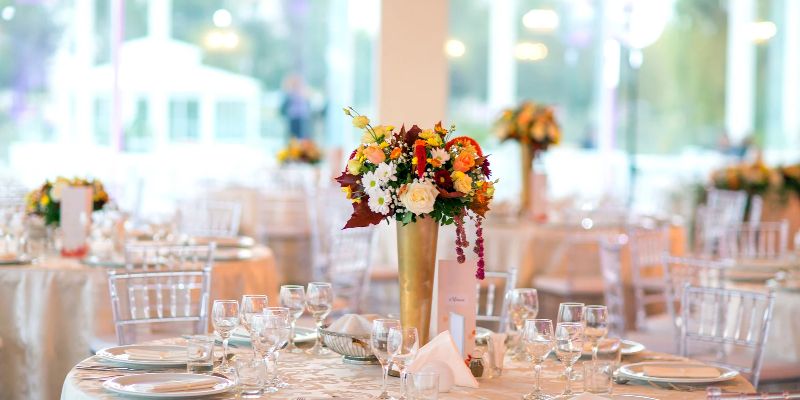
Beyond Beautiful Décor: How to Create Immersive Events That Reflect Your Brand Identity
A memorable event is about much more than an attractive venue, elegant decorations, or impressive entertainment. It is an opportunity for a brand to communicate its personality, connect with its audience, and create an experience that guests will remember long after the occasion ends. Whether hosting a corporate gala, an executive gathering, a product launch, or an exclusive celebration, every design decision contributes to how guests perceive the brand.
Today's audiences appreciate experiences that feel personal, meaningful, and thoughtfully designed. They want to participate, explore, connect, and feel part of something special rather than simply attend an event. This makes the combination of creative design and genuine audience engagement increasingly important.
Professional corporate event design services help businesses transform their ideas into cohesive experiences. Through carefully selected décor, customized installations, lighting, spatial planning, and interactive elements, an event can become a visual representation of a company's identity.
At Laviv Event Design, we believe successful events begin with understanding the client's vision. Our approach to luxury and bespoke event design focuses on creativity, personalized details, sophisticated styling, and creating an atmosphere that makes every occasion feel distinctive.
Let's explore how thoughtful event design can bring your brand identity to life while creating meaningful experiences for your guests.
1. Start With Your Brand's Personality and Vision
Before selecting decorations, furniture, entertainment, or interactive installations, it is important to understand what the brand wants to communicate.
Every organization has its own personality. Some brands represent innovation and modern thinking, while others focus on tradition, sophistication, creativity, or exclusivity. The event environment should reflect these characteristics.
For example, a luxury fashion brand may prefer an elegant setting featuring refined textures, dramatic lighting, and carefully curated displays. A technology company might choose contemporary furniture, digital installations, and modern architectural elements.
The objective is to create an environment that feels connected to the organization rather than relying on a design trend simply because it is popular.
Identify the Message Behind the Event
Start by asking a few important questions:
What is the primary purpose of the event?
Who will be attending?
What emotions should guests experience?
What qualities should the brand communicate?
What should attendees remember afterward?
The answers provide a foundation for the creative direction.
Translate Brand Identity Into Design Elements
Once the vision is established, it can be reflected through different design components, including:
Brand-inspired color palettes
Custom entrance installations
Sophisticated furniture selections
Personalized signage and displays
Decorative lighting concepts
Branded stage and backdrop designs
Carefully selected materials and textures
When these elements work together, they create a recognizable visual identity throughout the event.
2. Make Guest Participation Part of the Experience
A beautifully decorated event can attract attention, but meaningful participation gives guests a reason to become involved.
Interactive experiences encourage attendees to explore their surroundings, communicate with others, and connect with the event's central message. Rather than simply observing the environment, guests become active participants.
However, interaction should always have a purpose. Adding activities without considering the brand or audience can make an event feel disconnected.
Create Personalized Guest Experiences
Personalization is one way to make an occasion feel more thoughtful.
Consider incorporating:
Personalized welcome displays
Customized seating arrangements
Interactive guest message stations
Branded photo installations
Curated networking spaces
Customized event keepsakes
These details help guests feel recognized and appreciated.
Encourage Natural Conversations
Not every interactive feature needs to involve technology.
A thoughtfully designed lounge, a beautifully arranged networking area, or an elegant tasting station can encourage meaningful conversations.
For corporate gatherings, these spaces can be particularly valuable because they allow attendees to develop professional relationships in a comfortable environment.
The best experiences give guests opportunities to participate without making them feel pressured.
3. Use Luxury Event Design to Create an Emotional Connection
Luxury is not simply about expensive furniture, elaborate floral arrangements, or extravagant decorations. True luxury comes from thoughtful choices, attention to detail, exceptional presentation, and a sense of exclusivity.
A successful luxury event design concept should make guests feel that every element has been selected with intention.
Focus on the Details That Matter
Small design decisions can influence the entire atmosphere.
For example:
Premium table linens can elevate the dining experience.
Carefully selected centerpieces can establish a sophisticated visual theme.
Layered lighting can create warmth and depth.
Elegant furniture can make networking spaces more inviting.
Custom decorative installations can create memorable focal points.
The key is balance. An event does not need excessive decoration to feel luxurious. A carefully curated environment can often make a stronger impression.
Create a Consistent Atmosphere
Consistency helps transform individual design elements into a complete experience.
The invitation, entrance, reception area, dining arrangements, stage, and entertainment spaces should all contribute to the same creative direction.
When the entire environment feels connected, guests experience an event that appears polished, intentional, and professionally designed.
At Laviv Event Design, bespoke event design is about translating an individual vision into a sophisticated setting through creativity, personalization, and attention to detail.
4. Incorporate Interactive Design Elements Without Overcomplicating the Event
Technology can introduce exciting opportunities for audience engagement, but it should complement the event rather than dominate it.
Interactive screens, projection features, digital displays, and immersive installations can help communicate a brand's message in visually engaging ways.
The most successful approach is to select technology according to the event's purpose and the audience's expectations.
Explore Creative Interactive Ideas
Here are several possibilities for corporate and luxury occasions:
Interactive Brand Displays
Create a visually attractive installation where guests can explore a company's products, achievements, services, or brand story.
Digital Guest Experiences
Use digital screens or customized displays to welcome attendees, share event information, or showcase personalized messages.
Immersive Lighting Installations
Lighting can transform an ordinary venue into a distinctive environment. Color transitions, architectural lighting, and carefully positioned visual features can reinforce the event's theme.
Customized Photo Experiences
Design an elegant photography area that incorporates subtle branding, sophisticated backgrounds, and distinctive decorative details.
Creative Participation Stations
Invite attendees to share messages, contribute ideas, or participate in an activity that connects directly to the occasion.
Before including any interactive feature, consider whether it improves the guest experience and supports the brand's identity.
5. Design the Venue Around the Complete Guest Journey
A memorable event should feel enjoyable from the moment guests arrive until the final moments of the occasion.
This requires more than selecting a beautiful venue. The layout should support natural movement, accessibility, comfort, and interaction.
Professional event planners and designers consider how guests will experience different areas of the event.
Create an Impressive Entrance
The entrance establishes the first impression.
A thoughtfully designed welcome area may include elegant floral arrangements, branded signage, decorative structures, or carefully planned lighting.
The design should communicate the event's atmosphere immediately.
Develop Comfortable Networking Spaces
Corporate events often bring together executives, clients, employees, partners, and industry professionals.
Comfortable lounge furniture, appropriately spaced cocktail tables, warm lighting, and inviting seating arrangements can encourage guests to connect naturally.
Give Important Areas Their Own Identity
Different sections of the venue may serve different purposes.
For example:
Reception areas should feel welcoming.
Presentation spaces should provide clear visibility.
Dining areas should create a comfortable atmosphere.
Networking zones should encourage conversation.
Photography areas should offer distinctive visual appeal.
Each space should serve its purpose while maintaining a consistent design direction.
6. Use Lighting, Colors, and Textures to Strengthen Brand Recognition
Visual design plays an important role in shaping how guests perceive an event.
Lighting, color, and texture can influence the mood of a space and create a stronger connection between the environment and the brand.
Choose Colors With Purpose
A company's brand colors can be incorporated into the event through floral arrangements, decorative accents, signage, stage design, and lighting.
However, using brand colors does not mean placing logos or corporate colors everywhere.
A sophisticated approach balances brand recognition with visual elegance.
Use Lighting to Establish the Mood
Lighting can make the same venue feel completely different depending on the chosen design.
For example:
Warm lighting creates an intimate and welcoming atmosphere.
Dramatic lighting adds depth and sophistication.
Architectural lighting highlights important venue features.
Accent lighting draws attention to decorative installations.
Stage lighting improves the presentation experience.
Introduce Different Textures
Combining materials such as glass, velvet, metal, natural wood, and premium fabrics can add visual depth.
These elements should complement the event's theme and create a balanced environment.
A thoughtful combination of colors, lighting, and materials makes the entire design feel more refined.
7. Make Every Event Detail Feel Personal and Meaningful
Personalization is what often separates an ordinary gathering from a truly memorable occasion.
Guests appreciate details that demonstrate consideration and reflect the purpose of the celebration.
Bespoke event design allows clients to move beyond standard decorative packages and create environments that feel distinctive.
For a corporate gala, personalization might include custom-designed stage elements, branded table settings, or carefully curated reception displays.
For an executive gathering, it could involve sophisticated seating arrangements, personalized welcome details, and private networking areas.
For a product launch, the environment might be designed around the product's visual identity, materials, and story.
The objective is to make the event feel like it belongs to the organization hosting it.
Every design decision should contribute to the larger experience rather than appearing as an unrelated decorative addition.
8. Measure the Success of an Event Beyond Its Appearance
An event can look spectacular and still fail to achieve its intended objectives.
That is why businesses should consider both the visual experience and the response it creates among attendees.
A useful starting point is to establish clear goals before the design process begins.
Depending on the occasion, these may include:
Improving brand awareness
Encouraging meaningful networking
Introducing a new product or service
Strengthening relationships with clients
Celebrating organizational achievements
Creating opportunities for collaboration
After the event, businesses can evaluate attendee feedback, participation levels, social media engagement, networking outcomes, and other relevant indicators.
Research published in the Journal of Convention & Event Tourism highlights the relationship between attendee engagement with an event and their engagement with the brand hosting it. This reinforces the importance of designing experiences that connect guests with the organization, not just the occasion.
When creative design supports a clear purpose, the event becomes more than a beautiful gathering. It becomes a meaningful opportunity to strengthen relationships and communicate brand values.
9. Why Choosing the Right Event Design Partner Matters
Bringing an ambitious event concept to life requires creative thinking, careful coordination, and a clear understanding of the client's expectations.
The right design partner should understand that every event has its own personality and purpose.
When evaluating event planners and design professionals, consider their ability to:
Understand your brand identity and event objectives.
Develop original creative concepts.
Select appropriate décor, furniture, and materials.
Create cohesive visual environments.
Consider guest comfort and venue functionality.
Incorporate personalized design details.
Maintain attention to detail throughout the process.
A strong partnership also requires communication. Your design partner should listen to your ideas, understand your preferences, and translate your vision into a practical creative direction.
How Laviv Event Design Brings Your Vision to Life
At Laviv Event Design, we believe every event deserves a distinctive creative approach.
Our focus on luxury event design and bespoke event design allows us to create sophisticated environments that reflect individual visions and the purpose of each occasion.
From elegant corporate galas to carefully curated event settings, our approach combines creativity, personalized service, and meticulous attention to detail.
We understand that successful event design is not just about making a venue look beautiful. It is about creating an atmosphere where guests feel welcomed, the brand's identity is communicated, and every detail contributes to the overall experience.
Whether you are planning a corporate celebration or an exclusive event, thoughtful design can help transform your ideas into something truly memorable.
Conclusion:
The most successful events are not necessarily the biggest or most extravagant. They are the ones where every detail feels intentional, the atmosphere reflects the host's identity, and guests leave with meaningful memories.
From personalized installations and interactive experiences to elegant lighting, carefully selected décor, and thoughtful venue layouts, creative event design brings different elements together into one cohesive experience.
Investing in professional corporate event design services can help businesses create more engaging environments, strengthen brand perception, and deliver occasions that feel distinctive.
For hosts seeking refined presentation and personalized creativity, luxury event design offers an opportunity to move beyond standard event styling. With bespoke event design, every element can be developed around the client's vision, making the occasion feel truly individual.
Laviv Event Design is committed to transforming event visions into sophisticated experiences through creativity, attention to detail, and personalized design.

