
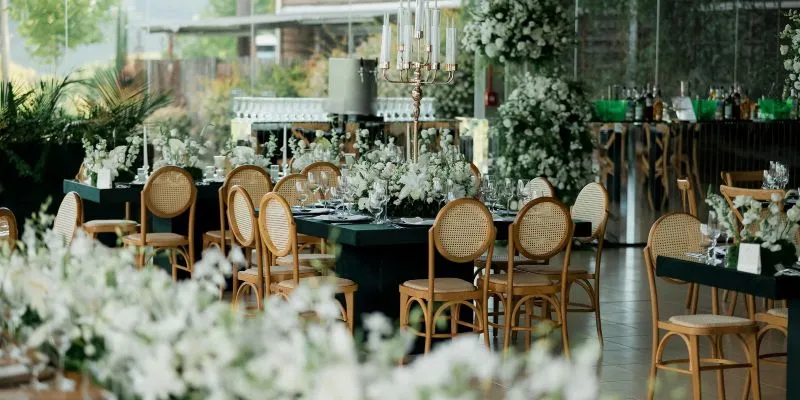
Event Design in Dallas: How to Create Memorable and Meaningful Events
Every successful event begins with a vision. Whether you are organizing a corporate gala, a business celebration, a product launch, or a special gathering, the way an event looks and feels can shape the entire guest experience. Thoughtful event design brings together colors, lighting, décor, furniture, layouts, and personalized details to create an environment that feels inviting, polished, and memorable.
Dallas, Texas, offers a dynamic setting for hosting events of different sizes and styles. From elegant hotel ballrooms and modern corporate venues to sophisticated private spaces, the city provides many opportunities to create distinctive experiences. However, choosing a beautiful venue is only one part of the process. The right design helps transform an ordinary space into an atmosphere that reflects the event's purpose, personality, and goals.
Professional event design also helps ensure that every visual element works together. Instead of selecting decorations individually, a cohesive design plan considers how guests will enter the space, interact with one another, enjoy the surroundings, and remember the occasion afterward.
At Laviv Event Design, creativity, attention to detail, and personalized service are central to transforming event visions into refined experiences. With a focus on sophisticated event design, including corporate galas and upscale gatherings, the brand aims to bring ideas to life through carefully considered visual details. Whether you are planning an important business function or a special celebration in Dallas, understanding the principles of event design can help you create an experience that leaves a lasting impression.
1. Understand the Purpose and Vision of Your Event
The first step toward successful event design is understanding why the event is taking place and what you want guests to experience. Every event has a different purpose, and the design should reflect that purpose from the beginning.
For example, a corporate gala may require an elegant atmosphere with refined table settings, dramatic lighting, and carefully selected décor. A product launch might benefit from bold visual elements, branded displays, and an arrangement that encourages guests to explore the featured products. A private celebration may call for a more personal approach, using meaningful colors, flowers, photographs, or decorative elements that reflect the host's personality.
Before making design decisions, consider the following questions:
What is the primary purpose of the event?
Who will attend, and what kind of experience will appeal to them?
What atmosphere should the event create?
Are there particular colors, themes, or brand elements to incorporate?
What should guests remember after the event concludes?
Answering these questions creates a clear direction for the entire project. It also helps prevent unnecessary spending on decorations or features that do not support the event's goals.
Create a Clear Design Concept
A design concept connects the event's purpose with its visual identity. It can be inspired by a color palette, a particular architectural style, a brand message, a seasonal theme, or a specific mood.
For a formal Dallas corporate event, for example, the concept might combine neutral colors, metallic accents, elegant floral arrangements, and warm lighting. A modern business gathering might use clean lines, contemporary furniture, and minimal decorative elements.
Laviv Event Design emphasizes personalized, sophisticated event experiences. Developing a clear concept before choosing individual details can help maintain that cohesive appearance throughout the space.
2. Choose a Design Style That Complements Your Dallas Venue
The venue provides the foundation for your event's visual identity. Its architecture, lighting, ceiling height, existing décor, and available floor space all influence the design possibilities.
Dallas offers a wide variety of event settings, including hotel ballrooms, conference venues, private event spaces, and contemporary buildings. Each setting has its own character, so it is important to select a design approach that complements the surroundings rather than competing with them.
Consider the Venue's Existing Features
A venue with large windows, architectural details, or attractive views may require fewer decorative additions. Instead, the design can emphasize those features through carefully positioned furniture, complementary colors, and subtle lighting.
A more neutral or open venue may offer greater flexibility. In that case, backdrops, decorative installations, linens, florals, and statement pieces can help establish the desired atmosphere.
Before finalizing your design, evaluate:
The size and shape of the event space.
The location of entrances, exits, and guest pathways.
Natural and artificial lighting conditions.
Existing furniture, fixtures, and architectural features.
Restrictions on hanging décor, candles, installations, or equipment.
Accessibility and the needs of guests.
A site visit can help identify practical limitations before installation begins.
Balance Style With Functionality
A visually impressive event should also be comfortable and easy to navigate. Guests need enough space to move around, socialize, find their seats, and access important areas.
For a corporate gala, tables should be positioned to support conversation while preserving clear routes to the stage, dining areas, and exits. At a networking event, furniture arrangements should encourage interaction without making the room feel crowded.
Good event design balances aesthetics with practical needs. By considering the venue and guest experience together, you can create a space that feels intentional, welcoming, and visually appealing.
3. Use Colors, Lighting, and Décor to Create the Right Atmosphere
Colors, lighting, and decorative elements work together to establish the mood of an event. These details may appear small when considered separately, but their combined effect can completely change how a venue looks and feels.
A thoughtful design plan gives each element a purpose. Rather than using every attractive decoration available, focus on a selection of details that reinforce the overall concept.
Develop a Coordinated Color Palette
A color palette helps unify the event's appearance. Start with two or three main colors and introduce additional shades or textures where they support the design.
For an elegant corporate gala, deep navy, ivory, and gold may create a sophisticated look. Soft neutrals and natural greens can contribute to a relaxed atmosphere, while vibrant colors may be appropriate for a product launch or creative business celebration.
Consider how the colors will appear in the venue's lighting, on photographs, and alongside existing furnishings. The same shade can look different under daylight, warm lighting, or colored spotlights.
Use Lighting to Transform the Space
Lighting can highlight architectural features, draw attention to a stage, create visual depth, and establish different moods throughout the event.
Depending on the venue and design concept, useful options may include:
Ambient lighting: Establishes the overall brightness and atmosphere.
Accent lighting: Highlights floral arrangements, artwork, signage, or architectural details.
Stage lighting: Helps presenters, performers, or speakers remain visible.
Decorative lighting: Adds visual interest through chandeliers, illuminated installations, or other suitable fixtures.
Lighting should also support the event schedule. A business presentation may require brighter lighting for visibility, while a dinner reception may benefit from a softer atmosphere.
Select Décor With Intention
Décor should support the concept instead of overwhelming it. Table centerpieces, linens, floral arrangements, furniture, signage, and backdrops should work together to create a consistent visual experience.
For Dallas event design projects, thoughtful styling can help turn a familiar venue into a space that feels distinctive and suited to the occasion. The goal is not simply to add more decorations. It is to make the most meaningful design elements stand out.
4. Design Memorable Corporate Events and Brand Experiences
Corporate events provide opportunities to celebrate achievements, strengthen relationships, introduce products, and communicate a company's identity. Their design should therefore reflect both the organization's brand and the experience it wants to create for attendees.
A well-designed corporate event can feel professional without appearing impersonal. The right combination of branding, layout, lighting, and décor creates a setting where guests can connect while experiencing a consistent visual message.
Incorporate Brand Identity Naturally
Brand colors, logos, messaging, and visual elements can be integrated into the design without making the venue feel overly promotional.
For example, a corporate gala might incorporate brand colors into table accents, stage backdrops, signage, and presentation screens. A product launch could feature a dedicated display area that draws attention to the product while maintaining the overall design aesthetic.
Consistency is important. If the event uses different visual styles across invitations, signage, presentations, and décor, the overall experience may feel disconnected.
Design for Guest Interaction
Corporate events often involve networking, presentations, dining, and entertainment. The layout should accommodate these activities without creating unnecessary congestion.
Consider establishing distinct areas for registration, networking, dining, presentations, and photographs when the venue allows. Lounge seating can encourage conversation, while clearly visible signs can help guests navigate the space.
Interactive elements may also add value. Depending on the event, these could include branded photo areas, product demonstration stations, or thoughtfully designed displays that invite participation.
Support the Event's Business Objectives
The design should ultimately contribute to the reason the organization is gathering. A recognition gala may focus on celebration and appreciation, while a leadership conference may prioritize visibility, comfort, and clear communication.
Laviv Event Design specializes in sophisticated event design, including corporate galas. A clearly defined creative direction can help connect the event's visual details with its broader objectives, creating an experience that feels both professional and memorable.
5. Personalize the Guest Experience With Meaningful Details
Memorable events are not defined only by expensive décor or elaborate installations. Often, the details that guests remember most are the ones that make the experience feel personal and thoughtfully arranged.
Personalization allows hosts and organizations to create an event that reflects their story, values, or purpose. It also helps distinguish one occasion from another, even when the same venue is used for multiple events.
Add Thoughtful Decorative Elements
Personalized signage, coordinated stationery, distinctive table settings, floral arrangements, and carefully selected centerpieces can reinforce the event's identity.
For a company anniversary, the design might highlight important milestones or achievements. For a client appreciation event, welcoming signage and comfortable seating may help guests feel valued. For a gala, carefully styled tables and a striking focal point can create an elegant setting for photographs and conversation.
Each detail should connect to the main design concept.
Consider Guest Comfort and Accessibility
Personalization should extend beyond appearance. Guests should feel comfortable, included, and able to participate in the event.
Consider seating needs, accessible routes, clear directional signs, suitable lighting, and enough space for movement. If the event includes presentations, ensure that guests can see and hear the speakers. For dining functions, coordinate table arrangements with the venue and catering team.
Small practical decisions can have a significant impact on the overall experience.
Create Opportunities for Lasting Memories
Visual focal points can help create memorable moments and encourage guests to engage with the event. These might include a beautifully styled entrance, an elegant stage, a custom backdrop, or a carefully arranged reception area.
However, these features should fit the event rather than exist only for photographs. When visual interest, comfort, and personalization work together, the result feels more natural and meaningful.
With a considered approach to event design, Laviv Event Design can help clients explore ways to translate their ideas into a cohesive visual experience.
6. Plan Your Event Design Budget, Timeline, and Execution
Creative ideas are most effective when supported by realistic budgeting, careful scheduling, and reliable execution. Without a practical plan, even a strong design concept can become difficult to deliver.
Establishing the budget early helps determine which elements should receive the greatest attention. It also makes it easier to compare design options and prioritize the details that will have the strongest impact.
Set Priorities Before Selecting Materials
Start by identifying the essential elements of the event. Depending on the occasion, these might include stage design, lighting, table styling, floral arrangements, branded signage, or a key decorative installation.
Once those priorities are clear, allocate the remaining budget to supporting details. Consider whether certain items can be rented, reused, or simplified without affecting the overall appearance.
When requesting proposals, clarify which services and materials are included. Ask about delivery, installation, labor, removal, and any additional venue or vendor fees that may apply.
A clear budget helps keep the project organized and reduces the likelihood of unexpected expenses.
Establish a Realistic Design Timeline
Event design involves more than selecting decorations. Depending on the project's size, the process may include consultation, concept development, venue review, sourcing, design revisions, vendor coordination, installation, and final checks.
Beginning early gives you more time to evaluate options and address potential challenges. Larger corporate events or projects requiring custom-built elements may need a longer preparation period than smaller gatherings.
A practical timeline should include:
Initial consultation: Define the event's goals, audience, style, and budget.
Concept development: Establish the visual direction and key design elements.
Planning and sourcing: Confirm materials, rentals, vendors, and installation requirements.
Final review: Approve the design details and confirm venue arrangements.
Installation: Arrange the space, position décor, and complete styling.
Event-day checks: Review lighting, guest pathways, presentation areas, and final details.
The exact schedule will depend on the event's scale and complexity.
Coordinate the Details Before Event Day
Communication between the event designer, venue team, planners, and other vendors helps ensure that everyone understands their responsibilities.
Confirm access times, delivery windows, installation requirements, and any venue restrictions. Make sure the final layout allows enough time for setup and inspection before guests arrive.
It is also helpful to prepare a backup plan for issues such as delayed deliveries, changes in guest numbers, or outdoor weather conditions.
Professional event design combines creative thinking with careful execution. By addressing practical details early, hosts can focus more on their guests and less on solving last-minute problems.
Conclusion
Successful event design is about more than making a venue look beautiful. It involves creating a cohesive experience that reflects the event's purpose, complements the location, supports guest comfort, and leaves a meaningful impression.
From defining the initial concept and selecting a coordinated color palette to designing corporate brand experiences and managing installation details, every decision contributes to the final result. A thoughtful approach also helps balance creativity with practical considerations such as budget, timing, accessibility, and venue requirements.
For businesses and hosts planning an event in Dallas, investing time in the design process can make a significant difference. Whether you are preparing a sophisticated corporate gala, a business gathering, or another special occasion, a clear vision and carefully coordinated details can help bring your ideas to life.
Laviv Event Design is committed to transforming event visions into refined, memorable experiences through creativity, attention to detail, and personalized service. The right design begins with understanding your goals and building an atmosphere that reflects what matters most to you.
Ready to bring your vision to life? Visit Laviv Event Design to explore the brand's event design services and portfolio. Contact the team to discuss your upcoming event, share your ideas, and schedule a consultation. Start planning an event in Dallas that reflects your style, engages your guests, and creates memories worth celebrating.

